

Getting a Job as an International Student in Melbourne
As an international student in Melbourne, finding a job can be challenging. You have to deal with school fees, study restraints, and the 20-hour work limit per week. But don’t worry, I’m here to help!
I understand how difficult it can be because I’ve helped my two cousins find their first jobs in Melbourne. I know firsthand the challenges you’re facing, but I also know that it’s possible to find a job that works for you and your schedule.
In this blog post, I’m going to share my tips and advice on how to get a job as an international student in Melbourne. I’ll cover everything from where to find jobs to how to write a resume and cover letter. I’ll also share some common mistakes to avoid and tips for acing your job interview.
So, if you’re an international student looking for a job in Melbourne, keep reading! I’m going to give you all the information you need to succeed.
Crafting an Impressive Resume and Cover Letter
Highlighting your Transferable Skills and Unique Experiences
As an international student, you have a unique set of skills and experiences that can be valuable to employers. When crafting your resume and cover letter, be sure to highlight your transferable skills, such as:
- Cultural competence
- Adaptability
- Communication skills
- Problem-solving skills
- Teamwork skills
- Language proficiency
You should also highlight any unique experiences that you have, such as studying abroad, volunteering in your community, or working on international projects.
Emphasising Language Proficiency and Communication Skills
Language proficiency and communication skills are essential for success in any job, but they are especially important for international students. In your resume and cover letter, be sure to emphasise your language proficiency and communication skills.
If you are bilingual or multilingual, be sure to list all of the languages that you speak and your level of proficiency in each language. You can also mention any language certifications that you have.
In addition to language proficiency, it is also important to emphasise your communication skills. This includes your ability to communicate effectively in both written and oral form. You can highlight your communication skills by mentioning any relevant experience, such as giving presentations, writing reports, or working on team projects.
Tailoring Your Resume for Specific Job Applications
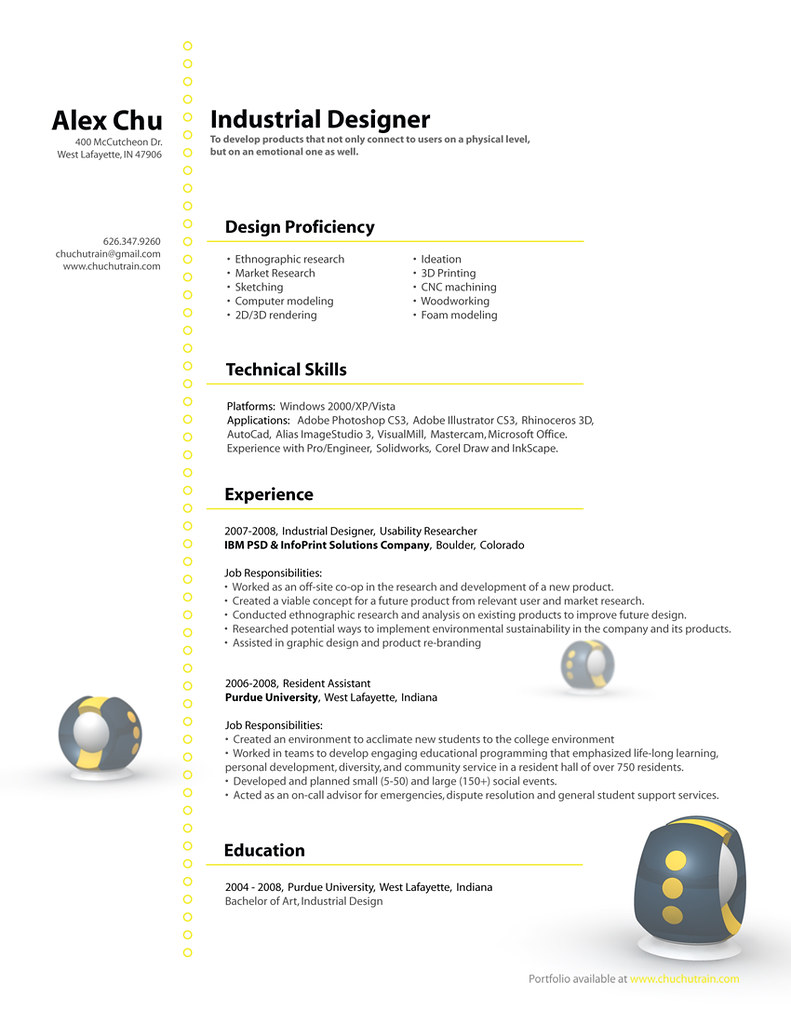
One of the most important things to remember when writing your resume is to tailor it to each specific job that you apply for. This means highlighting the skills and experiences that are most relevant to the job that you are applying for.
To tailor your resume, take some time to read the job description carefully and identify the key skills and experiences that the employer is looking for. Then, highlight those skills and experiences in your resume.
You can also tailor your resume by using keywords from the job description throughout your resume. This will help your resume get noticed by applicant tracking systems (ATS).
Writing a Cover Letter that Stands Out
Your cover letter is your chance to introduce yourself to the employer and explain why you are the best candidate for the job. In your cover letter, be sure to:
- State the position that you are applying for and why you are interested in the job.
- Highlight your most relevant skills and experiences.
- Explain why you are a good fit for the company and the job.
- Proofread your cover letter carefully before submitting it.
Here are some additional tips for writing a cover letter that stands out:
- Be specific and provide concrete examples of your skills and experiences.
- Be enthusiastic and show that you are excited about the job and the company.
- Be concise and to the point. Aim for a cover letter that is no more than one page long.
- Proofread your cover letter carefully before submitting it.
Pursuing Relevant Training and Certificates
Importance of an RSA (Responsible Service of Alcohol) Certificate for Hospitality Roles
The Responsible Service of Alcohol (RSA) certificate is a legal requirement for anyone who serves alcohol in Australia. This includes anyone who works in a bar, restaurant, club, or other venue where alcohol is served.
If you are interested in working in a hospitality role in Melbourne, it is important to obtain an RSA certificate. This will show potential employers that you are committed to responsible service of alcohol and that you have the necessary knowledge and skills to serve alcohol safely.
Exploring Additional Language and Communication Courses
In addition to obtaining an RSA certificate, there are a number of other training and certificates that can be beneficial for international students who are looking for work in Melbourne.
Some popular options include:
- English language courses
- Communication skills courses
- Customer service courses
- Food and beverage handling courses
- Barista courses
- Certificate IV in Individual Support
Taking additional language and communication courses can help you improve your English language skills and learn the communication skills that are essential for many jobs in the hospitality industry and other industries. For example, you may learn how to communicate effectively with customers, how to resolve conflict, and how to work as part of a team.
As my cousin’s experience shows, a Certificate IV in Individual Support can also be a valuable qualification for international students looking for work in Melbourne. This qualification allows you to work as a support worker in a variety of settings, including disability support, aged care, and community services.
Leveraging Online Platforms for Skill Enhancement
There are a number of online platforms that offer courses and training programs that can help you to improve your skills and knowledge.
Some popular online learning platforms include:
Online learning platforms offer a wide variety of courses on a variety of topics, including language learning, communication skills, customer service, food and beverage handling, bartending, and individual support.
Taking online courses can be a great way to learn new skills at your own pace and on your own time. It can also be a cost-effective way to get the training that you need.
Preparing for Job Interviews
One of the best ways to prepare for a job interview is to practice common interview questions and answers. There are a number of resources available online and in libraries that can help you prepare for common interview questions.
When practicing interview questions, be sure to focus on your strengths and how you can contribute to the company. It is also important to practice answering difficult questions, such as “Why should we hire you?” and “What is your greatest weakness?”
Showcasing Your Enthusiasm and Cultural Awareness
It is important to show your enthusiasm and cultural awareness during your job interview. This means being positive and excited about the job and the company. It also means being respectful of the interviewer and the company’s culture.
Here’s how you can show your enthusiasm and cultural awareness during your job interview:
- Be on time and dress professionally.
- Greet the interviewer with a smile and a handshake.
- Make eye contact and speak clearly and confidently.
- Be enthusiastic and positive about the job and the company.
- Ask thoughtful questions about the job and the company.
- Thank the interviewer for their time.
Dressing Appropriately and Portraying Professionalism
It is important to dress appropriately and portray professionalism during your job interview. This means dressing in neat and clean clothes that are appropriate for the company culture.
How to dress appropriately for a job interview:
- Dress in business casual attire for most interviews.
- Avoid wearing jeans, shorts, or T-shirts.
- Choose clothes that are clean, pressed, and in good condition.
- Pay attention to the details, such as your shoes and accessories.
Researching the Company and Industry Before the Interview
It is important to research the company and industry before your job interview. This will show the interviewer that you are interested in the job and the company. It will also help you to prepare for the interview and any questions that could potentially pop up.
Here are a few things to research about the company and industry before your interview:
- The company’s history, products, and services
- The company’s culture and values
- The company’s competitors
- The industry trends and challenges
Getting Someone to Help You Practice and Do Mock Interviews
Getting someone to help you practice and do mock interviews is a great way to strengthen your English and improve your interviewing skills. You can ask a friend, family member, teacher, or career counselor to help you.
When practicing mock interviews, be sure to ask the other person to give you feedback on your performance. This feedback can help you to identify areas where you can improve.
Identifying Ideal Places to Apply for Jobs
Exploring Hospitality and Retail Opportunities in the Melbourne CBD
The Melbourne CBD is a great place to look for hospitality and retail jobs. There are a wide variety of businesses in the CBD, so you are sure to find something that matches your skills and interests.
Some popular places to look for hospitality and retail jobs in the Melbourne CBD include:
- Restaurants and cafes (Melbourne has some amazing cafes)
- Bars and clubs
- Hotels and resorts
- Retail stores
- Department stores
- Shopping malls
Additionally, these venues are always on the lookout for additional staff:
Considering Volunteer Opportunities at Local Events and Festivals
Volunteering at local events and festivals is a great way to gain experience and make connections in your field. It is also a great way to show potential employers that you are passionate about your work and that you are willing to go the extra mile.
Here are some popular events and festivals in Melbourne where you can volunteer:
- The Melbourne Food and Wine Festival
- The Melbourne Spring Racing Carnival
- The Australian Open
- The Melbourne International Comedy Festival
Networking and Connecting with Industry Professionals and Local Communities
Networking and connecting with industry professionals and local communities is another great way to find job opportunities. Attend industry events, join online forums and groups, and reach out to people you know who work in the field you are interested in.
You can also network with industry professionals and local communities by volunteering your time or offering to help out with projects. This is a great way to gain experience and make connections that can lead to job opportunities.
Utilising Online Job Portals and Social Media for Job Searches
Online job portals and social media are great tools for finding job opportunities. There are a number of popular online job portals, such as Seek, Indeed, and LinkedIn. You can also use social media platforms, such as Facebook and Twitter, to find job openings and connect with potential employers.
When using online job portals and social media to find job opportunities, be sure to tailor your resume and cover letter to each job that you apply for. You should also proofread your resume and cover letter carefully before submitting them.

Navigating the Australian Job Market as an International Student
Understanding Visa Regulations and Employment Rights
As an international student in Australia, it is important to understand your visa regulations and employment rights. Your visa will specify the types of work that you are allowed to do and the number of hours per week that you are allowed to work.
You can find information about your visa regulations on the website of the Australian Department of Home Affairs. You can also find information about your employment rights on the website of the Fair Work Ombudsman.
Seeking Guidance from University Career Services and Support Networks
Many universities in Australia offer career services and support networks for international students. These services can help you to find job opportunities, prepare for job interviews, and write your resume and cover letter.
You can also seek guidance from other international students who have already found jobs in Australia. They can share their experiences and advice with you.
Overcoming Language Barriers and Building Confidence
Language barriers and lack of confidence can be challenges for international students when looking for jobs in Australia. However, there are a number of things that you can do to overcome these challenges.
One way to overcome language barriers is to improve your English language skills. You can take English language courses at your university or at a local language school. You can also practice speaking English with native speakers. Most libraries around Melbourne usually offer free sessions where you get to speak with others and improve your English.
Another way to overcome language barriers is to find a job that allows you to use your native language. For example, you could work as a translator or interpreter.
To build confidence, it is important to practice interviewing and networking. You can also practice talking about your skills and experience in English.
Embracing Cultural Diversity and Highlighting Unique Perspectives
Australia is a multicultural country, and employers are increasingly looking for employees who can bring different perspectives to the table. As an international student, you have a unique perspective that can be valuable to employers.
When applying for jobs, be sure to highlight your unique skills and experiences. You can also talk about how your cultural background can be an asset to the company.